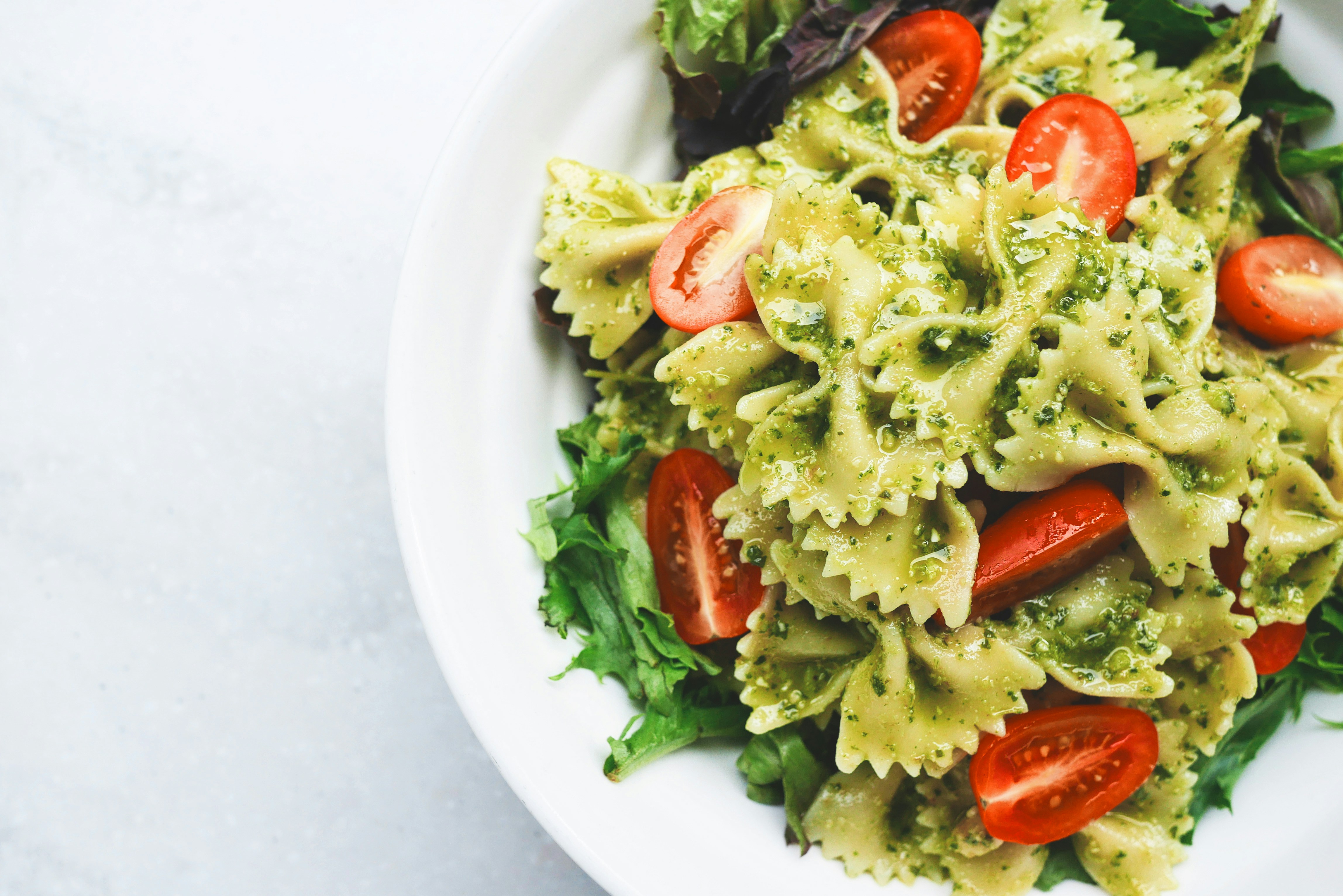
We often think of food in simple categories: healthy or unhealthy, good or bad, allowed or restricted. But food is not just fuel for the body, it is information. Every meal sends signals to our system that ripple into sleep quality, stress resilience, and energy levels throughout the day.
I have learned this the hard way. A late coffee can steal my night’s rest. A heavy dinner slows me down the next morning. A balanced, steady lunch leaves me calmer and more focused for the afternoon ahead. The way we eat shapes far more than hunger.
In recent years, new tools have emerged that help us see these connections more clearly. AI-driven nutrition platforms, trackers, and personalized programs are beginning to show us how food links to our broader wellbeing patterns.
Zoe: Learning From Your Own Biology
Zoe takes a personalized approach to nutrition by analyzing blood sugar, blood fat, and gut microbiome responses. The idea is simple but powerful: the same food does not affect every person in the same way. By understanding your unique biology, Zoe helps you discover what foods keep your energy steady, support digestion, and even improve sleep.
What I find interesting here is the shift from generic food rules to personalized insights. Instead of broad restrictions, it is about noticing how your body responds and learning what brings balance.
InsideTracker: Linking Food to Longevity
InsideTracker goes deeper into blood testing and biomarker analysis. It looks at cholesterol, vitamin levels, hormone balance, and inflammation markers, then offers nutrition and lifestyle recommendations designed to improve long-term health.
What stands out to me is how it reframes food from short-term fixes to long-term recovery. The goal is not just getting through the day, but building resilience for years ahead.
Whoop: Seeing Recovery in Real Time
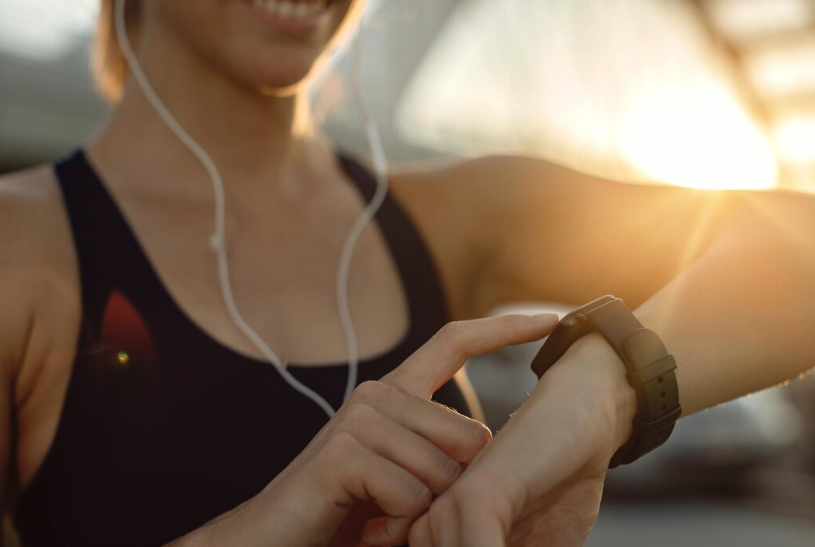
Whoop is a wearable best known for tracking strain, sleep, and recovery. But increasingly it also highlights how nutrition plays into those patterns. Logging what you eat can reveal links between late-night meals and disrupted sleep, or hydration and daily energy levels.
Whoop makes recovery visible. It takes what often feels abstract 'I feel off today' and connects it back to habits that can be adjusted.
Food as a Recovery Practice
These tools all point to the same truth: food is not separate from sleep, stress, or energy. It is woven through them. Eating becomes less about control and more about care. Less about numbers and more about noticing.
For me, the value of these platforms is not that they give final answers, but that they encourage reflection. They show us patterns, but it is up to us to respond with presence - to eat in a way that restores rather than depletes. When I think of food as recovery, it shifts my perspective. Meals are no longer interruptions in the day, they are opportunities to replenish. Each choice is a chance to support rest, reduce stress, and create the energy I need to live well.